Davison Solutions' specialist industrial roof coatings offer a critical, cost-effective solution to safeguard your large industrial assets, delivering exceptional longevity, weatherproofing, and thermal efficiency. These liquid-applied membrane systems restore and protect large structures like warehouses and factories, extending their lifespan by up to 25 years and ensuring compliance with UK regulations.
Types of high-performance industrial roof coatings
Industrial roof coatings are specialised systems that cure to form a seamless, durable, and elastomeric membrane. The right choice depends on the existing substrate (such as metal, concrete, or composite) and the building’s environmental demands.
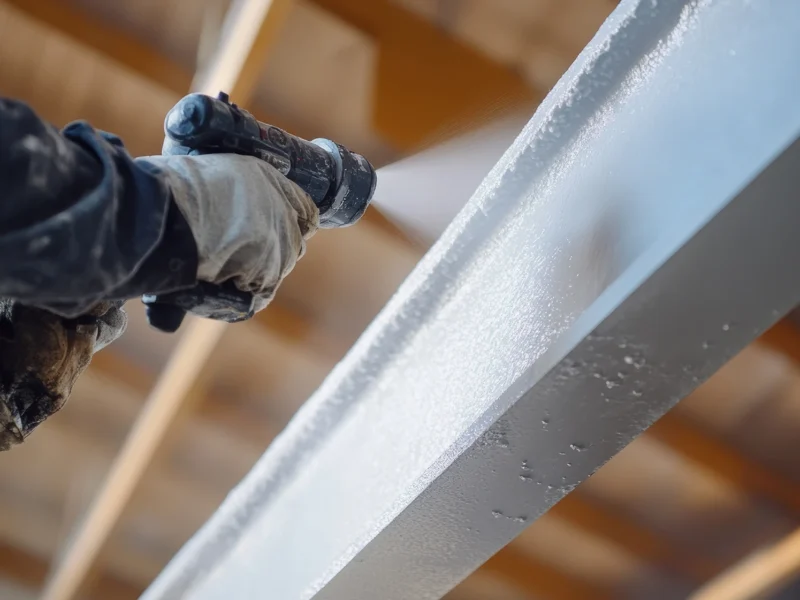
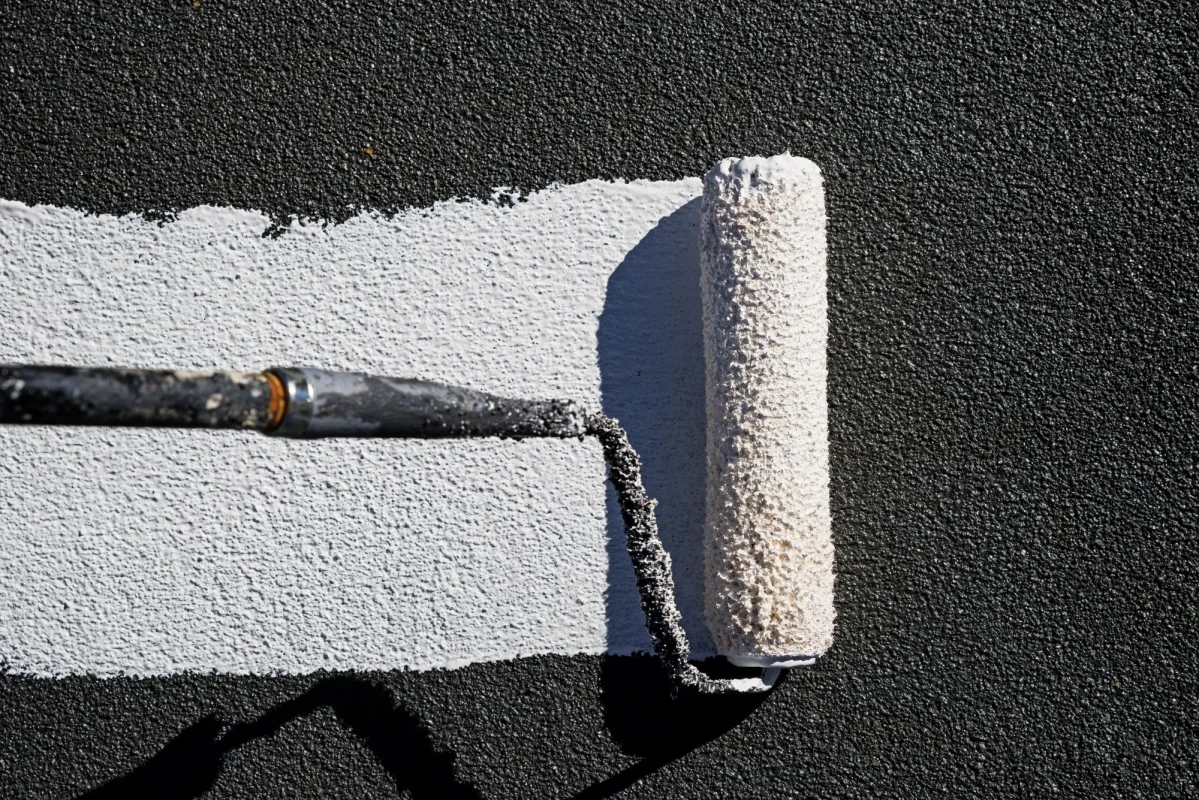
One common and highly effective type is silicone coating. This material offers exceptional waterproofing and UV stability and is unique in its ability to resist ponding water, making it ideal for flat roofs and protecting buildings in inclement UK weather. Silicone provides excellent adhesion to most substrates, including existing single-ply membranes and metal, and can be applied using rollers, brushes, or spray equipment.
Alternatively, polyurethane coatings are valued for their high tensile strength and superior abrasion and impact resistance. This makes them the choice for high-traffic areas or roofs that support heavy mechanical equipment. Polyurethane works well with metal and concrete substrates.
For a more cost-effective and easily applied solution, acrylic coatings are frequently used. They offer excellent UV reflectivity and are best suited for sloped roofs, as they are less ideal for areas with ponding water. Acrylics are compatible with metal, modified bitumen, and concrete substrates and are also applied via rollers, brushes, or spray.
Finally, polyurea stands out for its excellent durability and rapid cure time. It can often be walked on in minutes. This makes it essential for critical industrial applications where minimising downtime is a key concern, and high mechanical stress is expected. Polyurea is typically applied to metal and concrete using specialised two-component spray equipment. All these liquid-applied membranes are highly versatile, fully bonded to the existing surface, and ideal for complex roof designs and areas with many penetrations.
Mechanisms of longevity
Applying industrial roof coatings often extending a roof’s life by 10 to 25 years and is achieved through advanced material science that provides robust protection against the three primary threats to industrial roofs: UV degradation, chemical exposure, and mechanical stress.
For resistance to UV degradation, high-performance coatings, especially silicone and aliphatic polyurethane systems, contain specialised polymers and pigments that possess high UV stability. They reflect a substantial portion of the sun’s ultraviolet rays. This not only prevents the coating itself from cracking or becoming brittle but also shields the underlying roof substrate from solar-induced material breakdown.
Regarding chemical and corrosion resistance, industrial facilities are often exposed to chemical fumes, pollutants, and environmental salts. Coatings like epoxy-based primers and highly resistant polyurethane systems form a dense, impermeable barrier. This layer isolates the substrate from corrosive elements, preventing the electrochemical reaction that leads to rust and material loss.
To combat mechanical stress and movement which occurs as industrial roofs undergo expansion and contraction due to temperature changes, elastomeric coatings are essential. Materials like silicone and polyurethane are formulated to remain highly flexible and elastic over a wide temperature range. This flexibility allows the coating to move seamlessly with the roof structure without cracking, ensuring the protective, watertight seal remains unbroken.
Achieving robust weatherproofing
The primary function of industrial roof coatings is weatherproofing. Industrial coatings achieve this by creating a seamless, monolithic layer that eliminates the leak-prone seams and joints common in traditional roofing materials.
Targeting cut edge corrosion
For metal sheet roofing, cut edge corrosion is a major vulnerability where the factory-applied coating peels back from the sheet edges, exposing the bare metal to moisture and oxygen. This accelerates rust and structural deterioration.
At Davison Solutions, we can apply cut edge corrosion treatment directly addresses this threat, which is crucial for overall weatherproofing. The process involves diligent preparation where the vulnerable edges are cleaned, removing rust, debris, and loose paint. This is followed by sealing and coating as advanced, flexible coating systems are applied directly to the affected edges and laps. This creates a durable, watertight seal that stops the corrosion process in its tracks. The final outcome is the prevention of water ingress by sealing these weak points, halting the spread of rust, preserving the roof’s structural integrity, and preventing damaging leaks into the building’s interior.
This proactive treatment is an essential part of preserving the roof’s integrity, avoiding the structural weakness and costly replacements that unchecked rust can cause.
Thermal efficiency and cool roof technology
Industrial roof coatings are a key component of a building’s thermal efficiency strategy. This is achieved through cool roof technology.
The cool roof concept
A cool roof uses surface materials that have high solar reflectance (the ability to reflect sunlight) and high thermal emittance (the ability to release absorbed heat). Traditional dark roofs can absorb up to 90% of the sun’s radiation, leading to roof surface temperatures of 65° or higher.
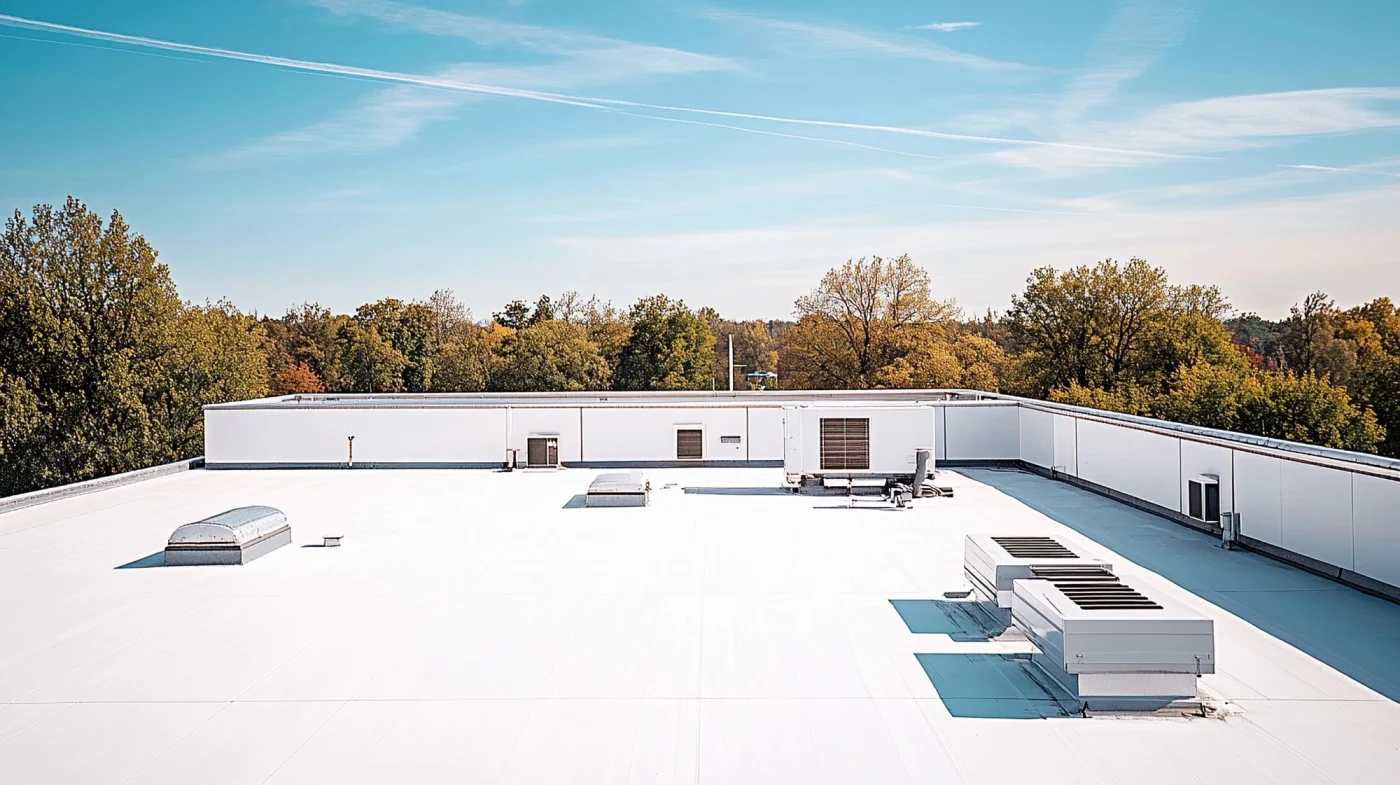
White or light-coloured cool roof coatings, particularly silicone and acrylic systems, reflect up to 85% of solar energy. This significantly lowers the roof’s surface temperature.
The impact on energy consumption is substantial. By dramatically reducing the amount of heat absorbed into the building, cool roof coatings minimise the load on air conditioning systems. For large industrial buildings with expansive roof areas, this can lead to quantifiable energy savings, with studies suggesting a reduction in cooling energy costs by 15% to 30%. Furthermore, in non-air-conditioned spaces like warehouses, a cool roof helps maintain a more stable and lower internal temperature regulation, improving occupant comfort and protecting heat-sensitive stored goods.
Identifying deterioration and expected lifespan
Early intervention is the most cost-effective approach to roof maintenance. Recognising the signs of deterioration means a protective coating can be applied before full replacement is necessary.
Common signs of industrial roof deterioration
- Look out for visible rust and corrosion, particularly around seams, fasteners, and roof sheet edges.
- Frequent leaks and water stains, especially around penetrations or in the middle of roof sheets, are a clear indication of a failing waterproof layer.
- Standing water on flat or low-slope roofs accelerates material degradation and must be addressed.
- Cracks, blisters, or peeling signal that the original roof surface or a previous coating is failing due to UV rays or thermal stress.
- An unexpected spike in cooling costs indicates the roof is absorbing too much heat.
Lifespan extension
Professionally applied, high-performance liquid-applied industrial roof coatings can extend the serviceable life of an existing industrial roof by an average of 10 to 25 years. This is a significant return on investment compared to the typical 15–20-year lifespan of many traditional roofing materials.
Business types that benefit from industrial roof coatings
While almost any commercial structure can benefit from refurbishment, specific industries face unique challenges that make industrial roof coatings an operational necessity.
Manufacturing and heavy industry
Manufacturing facilities are subject to internal stresses, such as vibrations from heavy craneage and machinery, as well as external weather pressures. Vibration can loosen fasteners and open seams in metal roofs, leading to leaks that damage expensive machinery and halt production lines. Furthermore, high internal humidity from industrial processes can accelerate corrosion.
An elastomeric coating system encapsulates the entire roof, including fasteners and seams. Because the coating is flexible, it absorbs the vibrations and thermal movement of the building without cracking. For manufacturers, this means protecting millions of pounds worth of equipment and avoiding unplanned downtime.
Warehousing, logistics, and distribution centres
The rise of e-commerce has made the integrity of distribution centres critical. These facilities often have massive roof footprints, meaning even a small percentage of failure can lead to significant water ingress.
Many logistics centres struggle with solar gain, where the sun heats the metal roof, raising internal temperatures and making the working environment unbearable or damaging heat-sensitive goods.
A seamless silicone or polyurethane membrane eliminates the risk of water damage to inventory. Furthermore, the application of a cool roof coating can significantly lower internal warehouse temperatures, reducing the strain on HVAC systems and preserving the quality of stored goods, from electronics to perishables.
Food, beverage, and pharmaceutical production
These sectors operate under strict regulatory environments, such as BRCGS or FDA standards, and hygiene and contamination control are essential.
Old, flaking roofs or corroding metal undersides pose a contamination risk. Condensation forming on the underside of a cold roof can drip onto production lines, leading to shutdowns and product recalls.
External roof coatings seal the building envelope, improving thermal performance and helping to prevent the temperature differentials that cause condensation. Also, by waterproofing the exterior effectively, moisture cannot enter the insulation layer, preventing the growth of mould and bacteria that could compromise a sterile environment.
Retail parks and supermarkets
For customer-facing businesses, the physical environment directly impacts revenue and brand reputation.
Water stains on ceiling tiles or a humid, uncomfortable shopping environment can deter customers. Retail parks also often have flat roofs with complex HVAC penetrations that are prone to leaking.
Liquid-applied coatings easily detail around complex vents, skylights, and AC units where traditional rolled membranes struggle. This ensures a dry, visually appealing interior for customers while the energy-saving properties help offset the high utility costs associated with lighting and heating large retail spaces.
Compliance and UK building regulations
Any work on industrial assets must comply with relevant Building Regulations, ensuring the safety, health, and energy performance of the building.
Firstly, compliance with Part B (Fire Safety) is critical, as roof systems must adequately resist the spread of fire. Coatings must meet the European classification system BS EN 13501-5, typically aiming for the highest European fire safety rating, BROOF(t4) classification, which allows for unrestricted use and demonstrates no penetration of the roof system within 60 minutes.
Secondly, Part L (Conservation of Fuel and Power) regulates the energy performance of buildings. Highly reflective cool roof coatings directly contribute to Part L compliance by reducing solar heat gain and lowering the need for air conditioning. If over 25% of the roof area is being refurbished, the insulation may need upgrading to meet current U-value standards.
Finally, coatings must comply with environmental legislation regarding Volatile Organic Compound (VOC) limits. At Davison Solutions, we prioritise market-leading products manufactured to the highest standards, often utilising low-VOC or solvent-free formulations (like some water-based acrylics and silicones) to minimise environmental and occupational health risks.
Our commitment to best practices ensures all coating applications are compliant, giving clients complete peace of mind. For significant refurbishments, a Building Notice or Initial Notice must be given to the Local Authority Building Control unless the work is completed by a certified Competent Person Scheme member.
Industrial roof coatings vs. replacement
Industrial roof coatings are a long-term, restorative capital expenditure that is highly cost-effective compared to a full roof replacement.
Measurable benefits and savings
- Roof coating systems typically cost 30% to 70% less than a full tear-off and replacement. This is because they can be applied directly over the existing, structurally sound roof, eliminating the substantial cost and labour of demolition and disposal.
- A coating application results often allows operations to continue with minimal interruption, avoiding the need to relocate or pause production, which is a significant hidden cost of a full replacement.
- Choosing restoration is a sustainable choice as it avoids sending vast quantities of old roofing material to landfill.
- A high-performance coating system provides a fast return on investment through energy savings (up to 30% reduction in cooling costs) and the deferral of expensive full replacement for decades.
Industry best practices and quality assurance
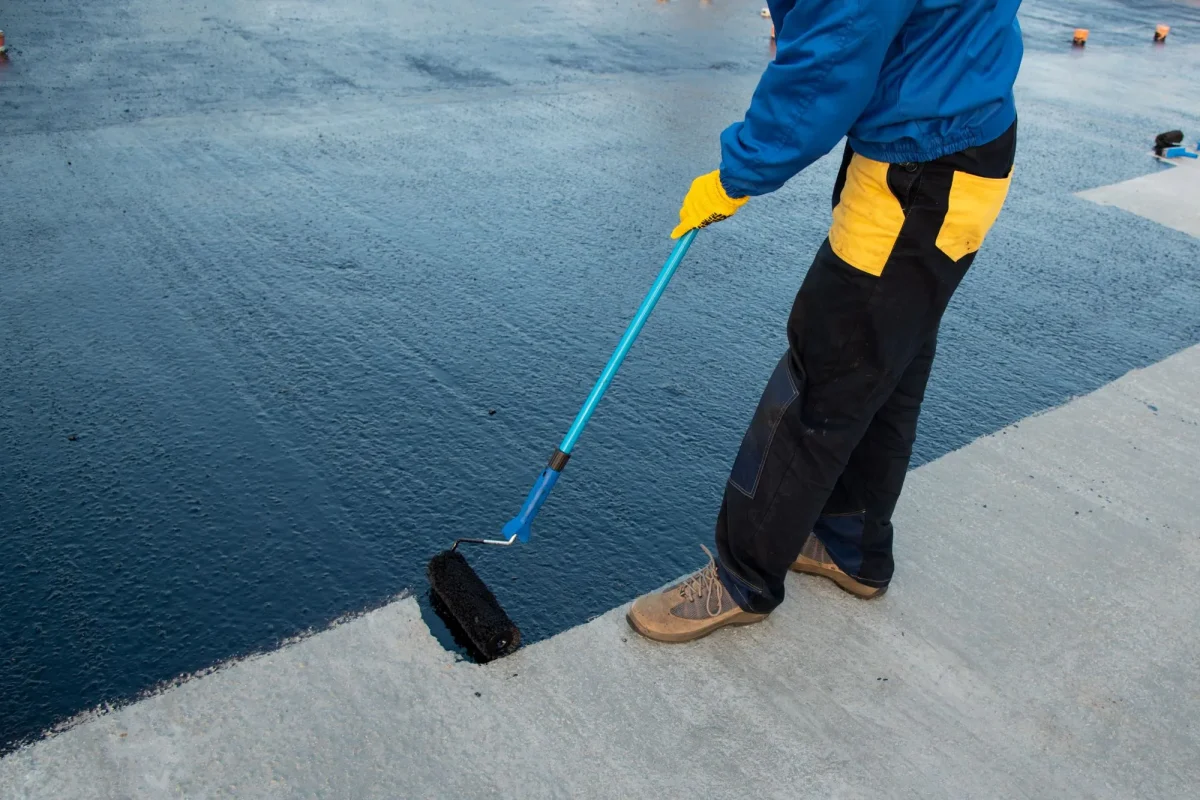
The performance and lifespan of an industrial coating are directly tied to the quality of the application. Davison Solutions’ expertise is built on rigorous adherence to industry best practices, focusing on three critical stages:
- Inspection and surface preparation, as coatings will only adhere to a clean, dry, and sound substrate. This involves a thorough inspection to assess the roof for structural damage, wet insulation, and compatibility with the chosen coating, ensuring the coating is never applied over a failed or failing roof structure. Crucially, cleaning uses high-powered commercial jet washing to remove dirt, oils, and contaminants. Abrasive cleaning methods like industrial floor blasting may also be used for heavy-duty preparation so that the surface has the correct profile for maximum adhesion. All existing damage, leaks, and cut edge corrosion must be treated and repaired before coating application.
- The second stage is primer and application. The correct primer is selected based on the substrate to ensure an optimal bond. The coating is then applied to the manufacturer’s specifications. Multiple coats are applied to achieve the required Dry Film Thickness (DFT), which is essential for the coating’s durability. Humidity and dew point are monitored during application to ensure successful curing.
- The final stage is project management. Our team works around the clock to ensure minimal disruption to your operations. We follow transparent project specifications and provide all necessary documentation for full regulatory traceability.
Partnering with Davison Solutions
The decision to restore your industrial roof with a high-performance coating is a crucial investment in your building’s future, safeguarding your operations, contents, and energy usage for decades to come.
With over a decade of specialised experience in industrial coatings, we are committed to delivering a professional service tailored precisely to the unique needs of your commercial or industrial asset.
Our service begins with an in-depth consultation. We assess your existing roof structure, identify critical areas like cut edge corrosion, and recommend the optimal liquid-applied coating system, whether it’s high-elasticity silicone for flat roofs or abrasion-resistant polyurethane for high-traffic areas.
Our team utilises specialist techniques, including commercial jet washing and industrial floor blasting, to guarantee maximum adhesion and a finish that is built to last.
We pride ourselves on working around your operations, including flexible scheduling to ensure minimal disruption to your production or logistics. From initial quote to project completion, we handle every detail, ensuring full compliance with critical UK regulations, including fire safety (Part B) and energy performance (Part L). Choosing Davison Solutions means choosing a partner committed to excellence, superior corrosion control, and a safe, professional service you can rely on. Secure your roof’s future and avoid the disruptive, high cost of a full roof replacement by contacting us today.