From the structural steel that holds the roof up to the cladding that provides its face to the world, metal components are an essential in modern construction.
However, these materials are under constant biological and chemical attack. Without a robust anti-corrosion coating strategy, even the most formidable structures can succumb to the relentless process of oxidation.
At Davison Solutions, we view protective treatments as a critical pillar of preventative maintenance. This guide explores how an anti-corrosion coating works, the types of systems commonly used in commercial environments, and why the right application is a cost-effective and long-lasting solution.
What causes corrosion?
To understand the value of an anti-corrosion coating, we must first look at the natural process it is fighting against. In its simplest form, corrosion is where refined metals return to their more stable, chemically combined state, usually an oxide.
For most commercial buildings, this translates to the formation of rust on iron and steel. The recipe for corrosion is deceptively simple:
- Metal (the substrate): the steel or aluminium in your building
- Moisture: rain, condensation, or high humidity
- Oxygen: readily available in the atmosphere
When these three meet, an electrochemical reaction begins. While the chemistry is complex, the results are easy to spot. They include flaking paint, orange staining, and eventually, structural thinning that compromises safety.
In commercial and industrial environments, this process is often accelerated. Properties located near the coast face salty air, which acts as a catalyst for rust. Buildings in industrial zones may face pollutants and acidic rainwater, while internal plant rooms often deal with localised high humidity and temperature fluctuations. Without a high-performance anti-corrosion coating, these environments can shorten the lifespan of metal assets by more than half.
How does an anti-corrosion coating protect buildings?
If the cause of corrosion is the meeting of metal, moisture, and oxygen, the solution is to break that connection. An anti-corrosion coating acts as a sophisticated shield. It is a paint that acts as a functional system designed to manage the environment on the surface of the metal.
Barrier protection
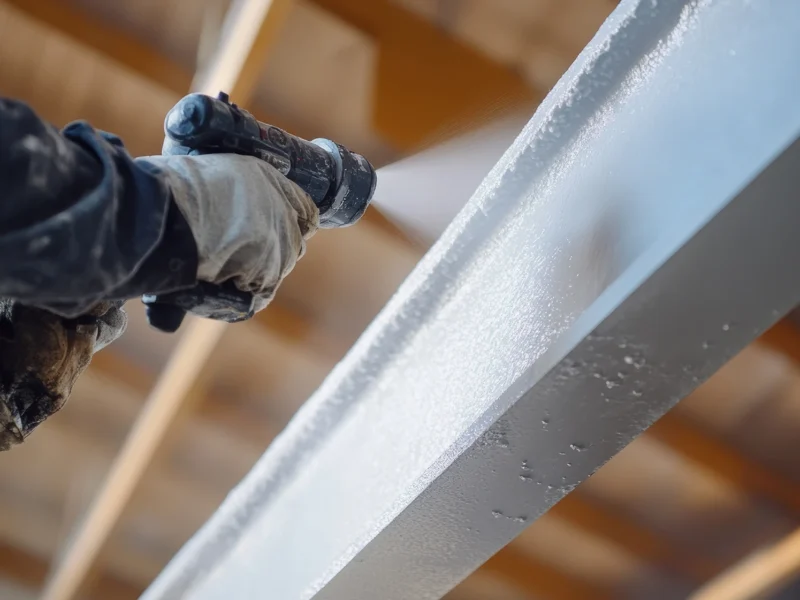
This is the most common function of an anti-corrosion coating. By creating an impermeable layer, the coating physically blocks moisture and oxygen from reaching the metal substrate. If moisture and oxygen can’t reach the surface, the reaction cannot start. High-build epoxies are classic examples of barrier protection, providing a thick, dense wall against the elements.
Inhibitive pigments
Some advanced anti-corrosion coating systems contain specific pigments that interfere with the chemical reaction itself. These coatings release substances that make the metal surface passive, essentially numbing its ability to react with moisture and oxygen, even if a small amount of dampness manages to permeate the film.
Sacrificial protection
Commonly seen in zinc-rich primers, this method involves sacrificing one metal to save another. Zinc is more chemically active than steel. When included in an anti-corrosion coating, the zinc will corrode instead of the steel underneath. Even if the coating is slightly scratched, the surrounding zinc continues to provide a protective halo effect, preventing rust from creeping under the paint film.
Types of anti-corrosion coatings in commercial environments
Selecting the right anti-corrosion coating depends on the environment, the type of metal, and the expected wear and tear. Here are the most frequently used systems:
1. Zinc-rich primers
These are the foundation of high-performance protection for structural steel. As mentioned above, they provide sacrificial protection. They are the go-to choice for exposed steel frames, external gantries, and fire escapes where the risk of moisture exposure is high.
2. Epoxy-based coatings
Epoxies offer incredible adhesion and a very hard, durable finish. While they are often used as a mid-coat in a three-part system, they are also excellent as standalone anti-corrosion coating solutions for internal steelwork, plant rooms, and even concrete floors in high-traffic commercial areas.
3. Polyurethane topcoats
While epoxies are tough, they can chalk or fade when exposed to the UV rays of the sun. This is where polyurethane topcoats come in. Often applied over an epoxy base, these provide the final anti-corrosion coating layer for external cladding, roofing, and architectural metalwork.
4. Specialist cladding coatings
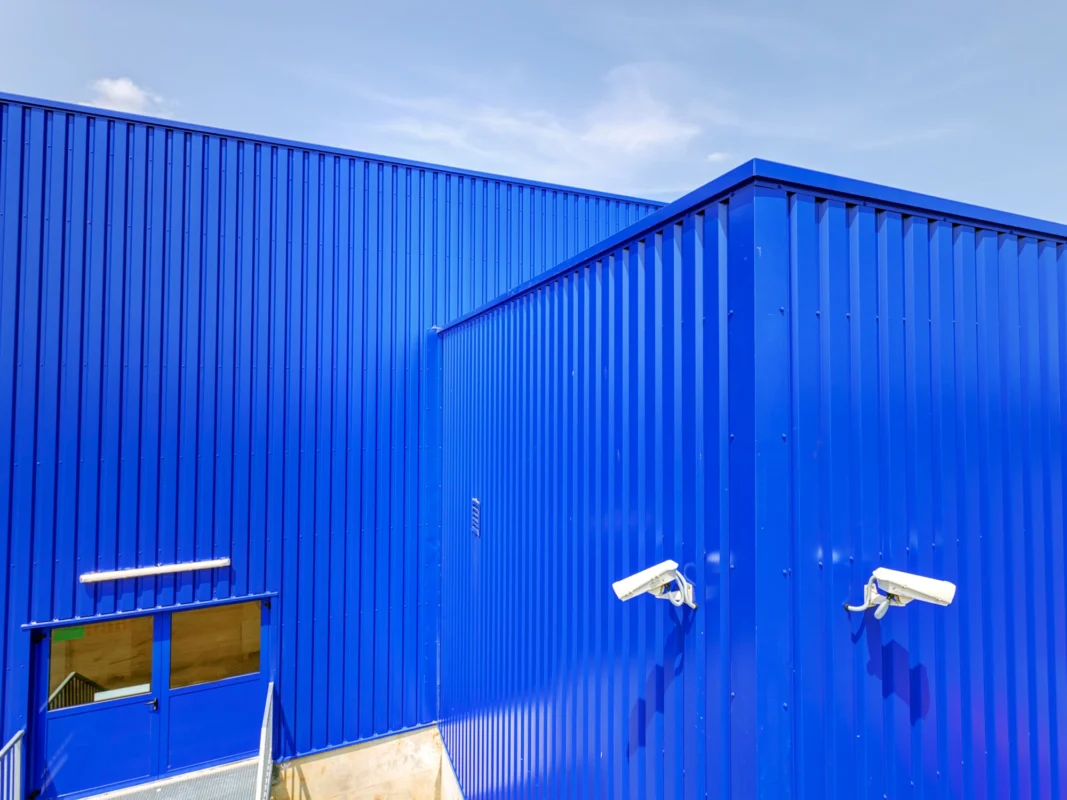
Commercial buildings often feature large surface areas of plastisol or metal cladding. Over time, the original factory finish can weather away, particularly at the cut edges where the metal is exposed. A dedicated anti-corrosion coating for cladding can encapsulate these edges and refresh the entire facade, saving the building owner from having to fund a full reclad.
Managing moisture and water exposure
One of the most misunderstood aspects of building maintenance is how moisture interacts with the building. An anti-corrosion coating isn’t just about stopping rust, it’s a critical component of a wider water management strategy.
In many commercial assets, water ingress often begins at the smallest points of failure around bolts, joints, or seams in metal roofing. Once moisture gets behind a failing coating, it can travel and cause hidden damage to the structural elements or insulation.
By applying a continuous, flexible anti-corrosion coating system, we effectively seal these vulnerable points. This reduces the risk of water ingress that could otherwise lead to internal dampness, mould growth, and damage to stock or equipment. For facilities managers, this means the coating is doing double duty: preserving the metal and protecting the interior of the building.
Why correct specification and application matter
It is a common misconception that the quality of an anti-corrosion coating is solely down to the product. However, the specification and application are equally important.
The importance of surface preparation
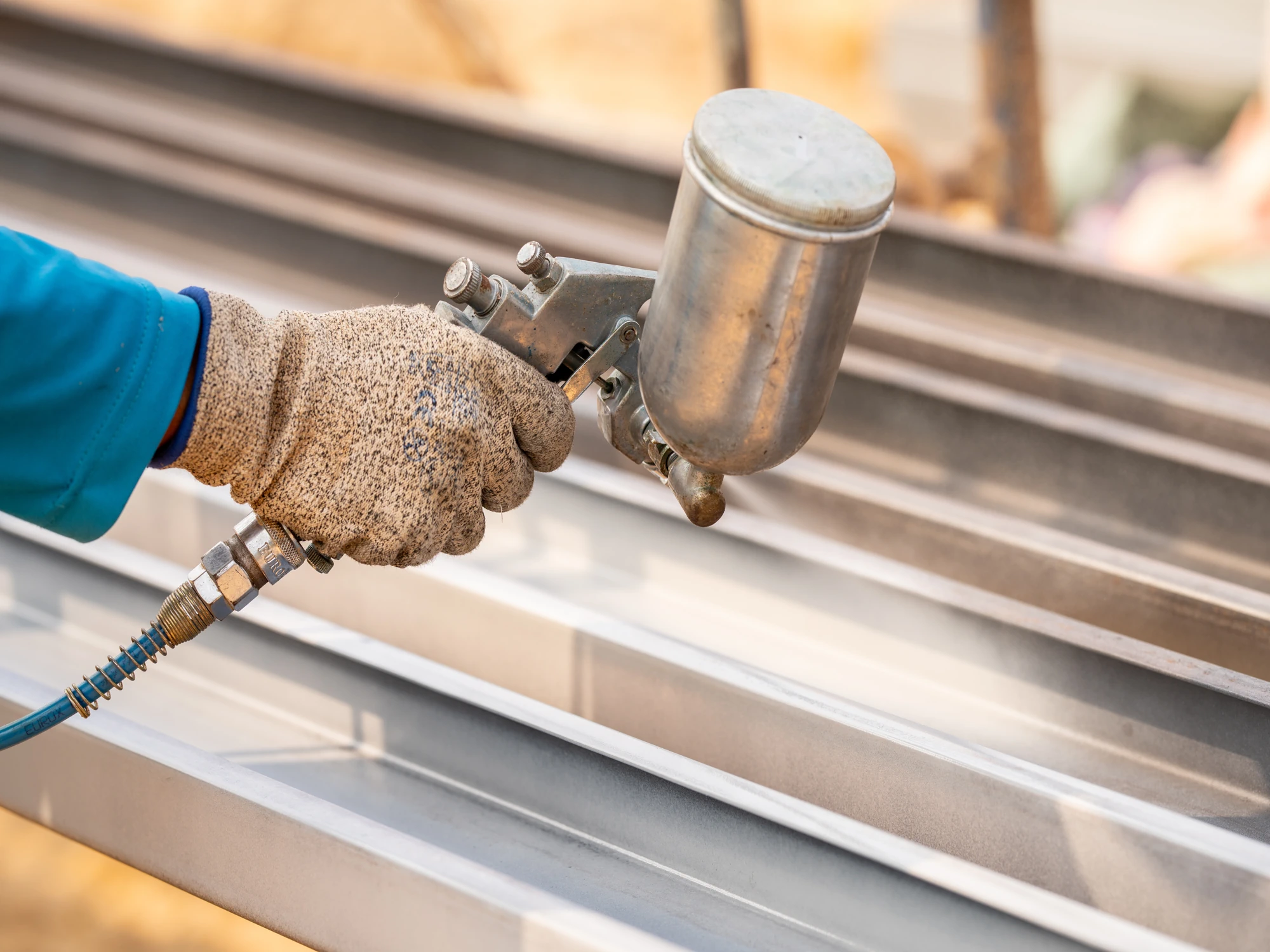
No anti-corrosion coating will perform if it is applied over existing rust, grease, or salts. At DS Protective Coatings, we emphasise that the bond between the coating and the substrate is critical. This often requires mechanical abrasion, grit blasting, or high-pressure washing to ensure the metal will accept the new system.
Environmental conditions
Applying a coating in the wrong conditions, such as when the humidity is too high or the temperature is below the dew point, is a recipe for premature failure. Moisture can become trapped under the film during application, leading to blistering and peeling within months. A professional contractor like us monitors these variables throughout the project.
Matching the system to the environment
A properly specified system considers the corrosivity category of the environment. A warehouse in the Midlands requires a different specification than an industrial unit on the River Tyne.
When a system is poorly specified or applied by non-specialists, the anti-corrosion coating may look good initially but will fail to provide the promised 10–15-year lifespan. This leads to higher maintenance costs in the long run.
The long-term value of protection
Corrosion eats away at the value and safety of your commercial assets. However, it is a manageable risk. By investing in a high-quality anti-corrosion coating system, you are securing your building’s future.
The benefits are clear:
- Extended asset life: delay the need for expensive structural replacements
- Reduced maintenance costs: longer intervals between repaints mean lower lifetime costs
- Aesthetic integrity: a well-protected building maintains its professional appearance for tenants and clients
- Safety: ensuring structural steel remains sound and dependable
At DS Protective Coatings (a division of Davison Solutions), we deliver complete, expertly specified anti-corrosion coating systems tailored to the unique demands of your site. Our team understands the practicalities of commercial environments, ensuring that every project is underpinned by rigorous preparation and technical excellence.
Contact Davison Solutions today to discuss your upcoming maintenance requirements. Whether it’s structural steel, external cladding, or industrial plant areas, we provide the protective solutions that stand the test of time.